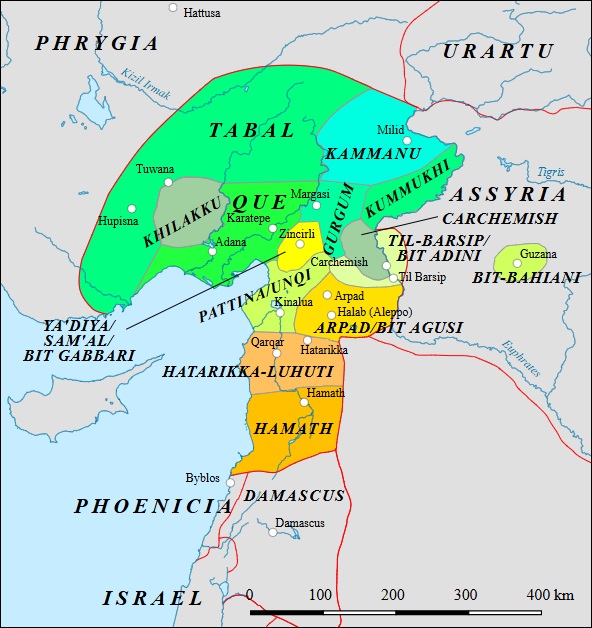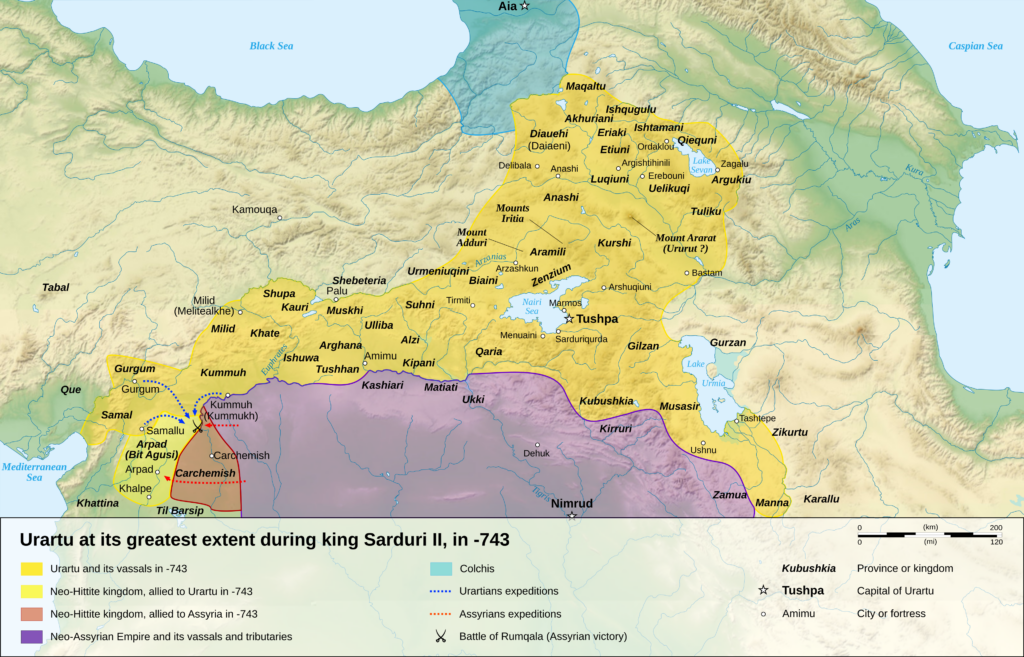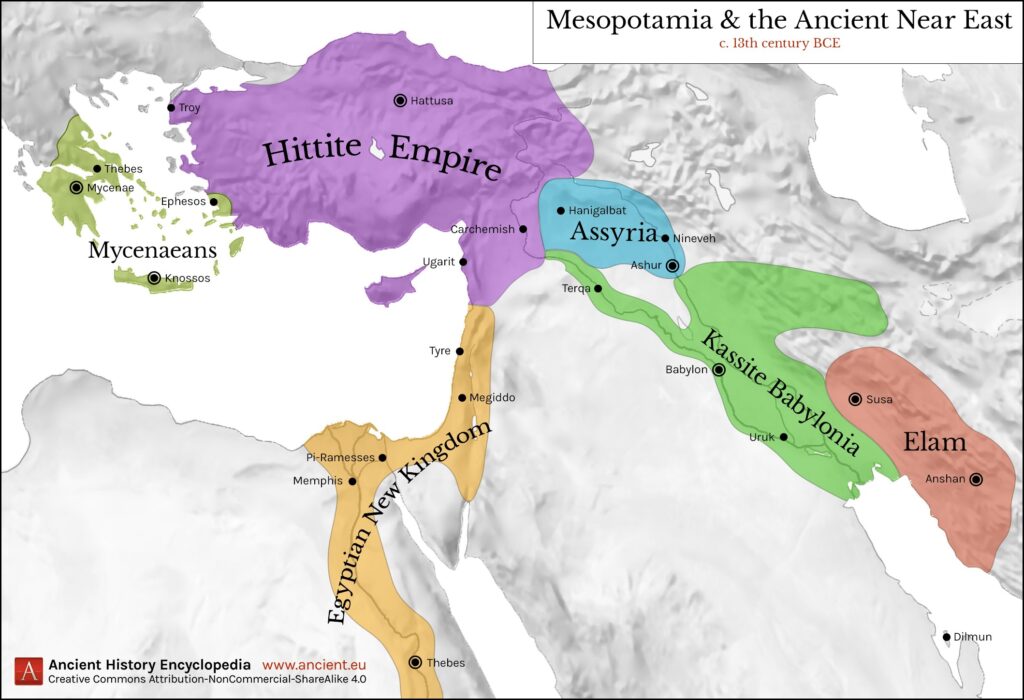
In the spring of 894 BCE, the Assyrian king Adad-Nerari II (r. 911-891 BCE) marched west into the land of Hanigalbat (present-day Northeast Syria). City after city opened its gates. Rulers handed over tribute. Camps were pitched along the banks of the Ḫābūr River. The king crossed frontiers, entered capitals, and received chariots, horses, silver, and gold.
What is striking is not what happened, but what did not happen. There were no major sieges. No pitched battles. No dramatic massacres. Instead, the royal inscription (r. 97-119) presents a long procession of acknowledgments, negotiations, and submissions. For a tradition famous for celebrating violent conquest, this campaign reads almost like a diplomatic tour.
Why did so many rulers accept Assyrian authority without fighting? And what does this reveal about the nature of power in the early Neo-Assyrian period? To understand this unusual moment, we need to step back from the language of imperial inevitability and look at the political landscape through a slightly different lens: one inspired by International Relations (IR) theory.
Continue reading “The king goes on tour (894 BCE)”