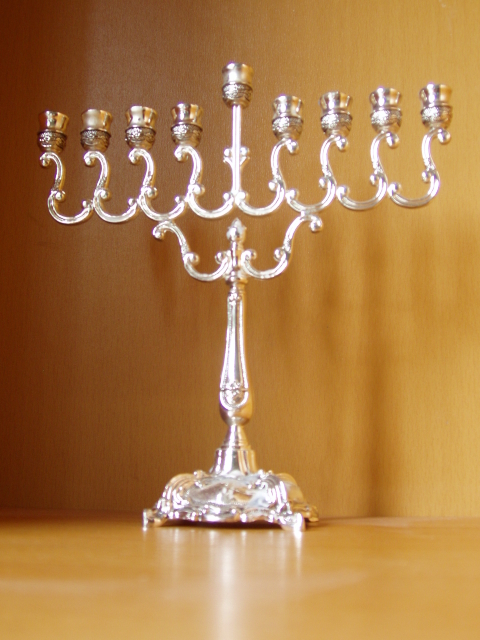
Every winter, Hanukkah is celebrated as a story of resilience. A small religious community, threatened by persecution, refuses to abandon its faith. An empire tries to suppress Jewish law and worship, a priestly family rises in revolt, the Temple is reclaimed and rededicated. A single day’s worth of lamp oil burns for eight. Light triumphs over darkness.
It is a powerful story, and not an untrue one. But historically speaking, the reality behind the Maccabean Revolt was more complex — and more unsettling — than a simple tale of good versus evil. What unfolded in the 2nd century BCE was not just a clash between Judaism and foreign oppression, but a crisis produced by cultural globalization, internal division, and imperial interference in the very heart of Jewish religious life.
Continue reading “The Maccabean Revolt: how Judaism was forged in crisis”