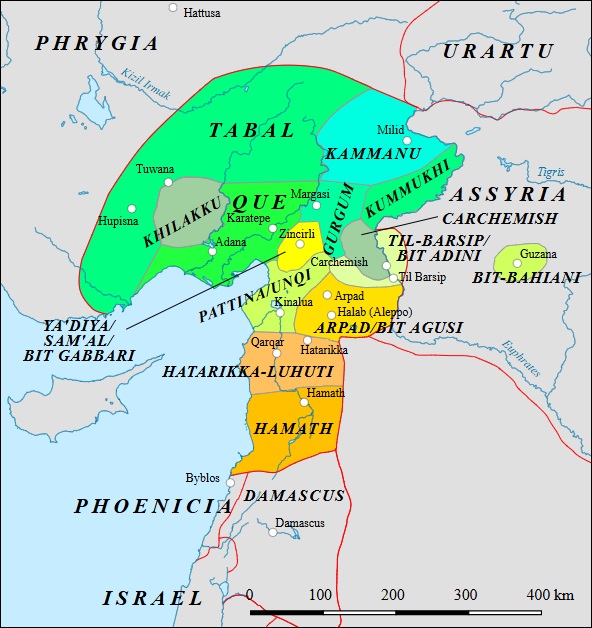
Imagine opening your inbox to find a message from the Assyrian king Sargon II (r. 722–705 BCE) himself. It begins reassuringly — “I am well, Assyria is well: you can be glad” — but quickly turns into a barrage of instructions: how to reply to Phrygia’s king, how to handle a rival vassal’s land-grab, how to manage a succession dispute, even how to stage the symbolic humiliation of local rulers. It was just another day at the office. For Aššur-šarru-uṣur, the Assyrian governor of Que — a former kingdom on the Cilician plain, now reduced to provincial status — diplomacy, intelligence, and administration were part of the same job description.
A letter like this is not only a fascinating glimpse into daily imperial business; it is also a crash course in how the Assyrian Empire managed its fragile seams. To appreciate it fully, we need to look at the wider historical and geopolitical context.
Continue reading “An Assyrian governor’s inbox”