Psalm 2 occupies a peculiar place in Jewish and Christian tradition. It is one of the classic Messianic psalms: in Judaism often read as a prophecy of the coming anointed king, and in Christianity reinterpreted as a vision of Christ’s ultimate victory at the Second Coming. Its language is confident, absolute, and unapologetically violent. Kings are smashed, rebels annihilated, and divine laughter rings out over futile resistance.
That tone sits uneasily with the image of Christ many modern readers prefer: gentle, pacifist, turning the other cheek. Psalm 2 offers no such comfort. It is triumphalist, confrontational, and steeped in the logic of domination. Precisely for that reason, it has often been spiritualized, allegorized, or pushed toward the edges of liturgical attention.
I first became acutely aware of this tension during my university years. I was sitting in the Royal Concertgebouw in Amsterdam, listening to Händel’s Messiah, while at the same time studying the ancient Near East and the ideology of kingship and empire. When the baritone began to sing “Why do the nations so furiously rage together?”, I was supposed to hear biblical prophecy set to magnificent music. Instead, something else leapt out at me immediately.
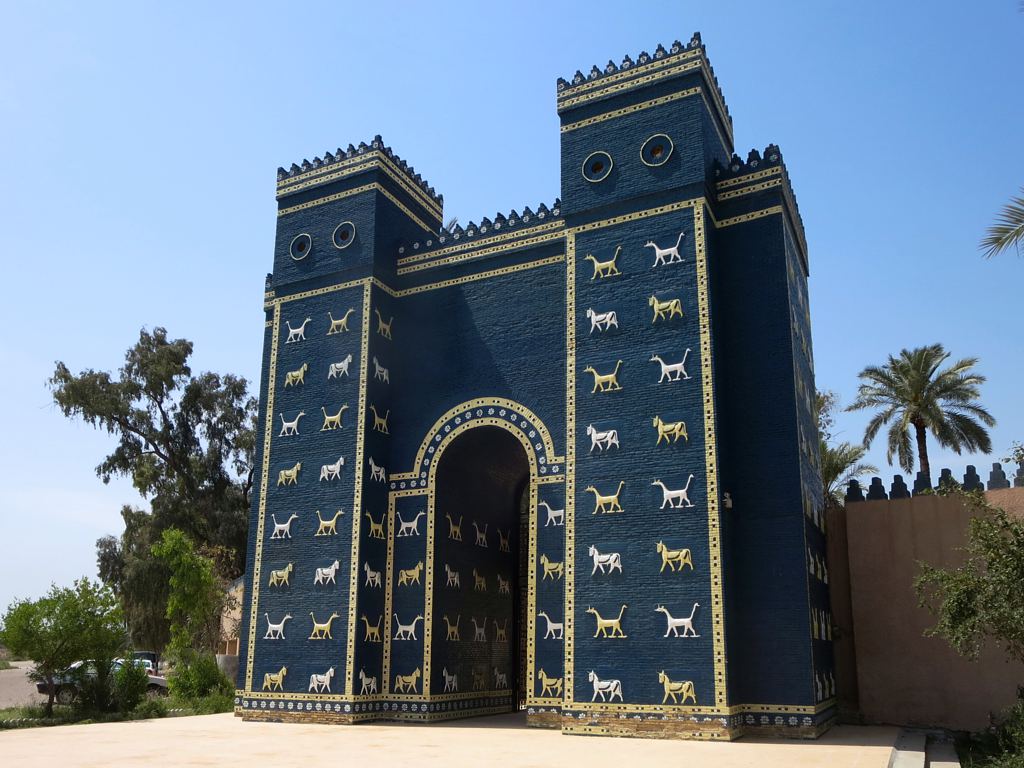
It sounded oddly Assyrian.
The impression was instant. As the music unfolded, the choir hurling out “Let us break their bonds asunder,” and later the tenor proclaiming “Thou shalt break them with a rod of iron”, I could not shake the feeling that Psalm 2 was not merely religious poetry. It was speaking the language of empire.
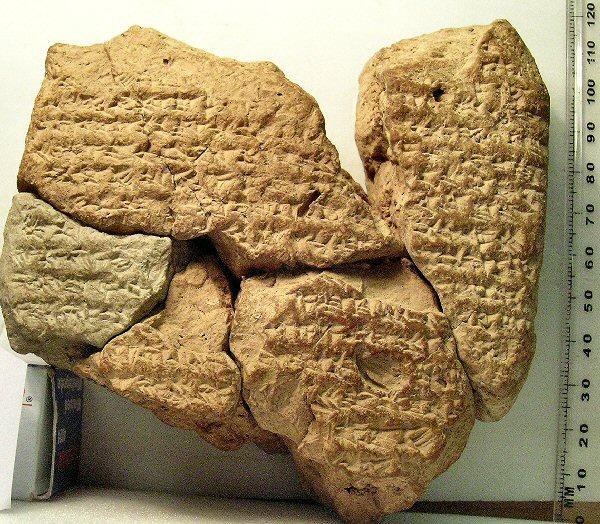
In what follows, I want to explain why Psalm 2 sounds so “Assyrian,” line by line, and to suggest — carefully, but deliberately — that it may have been composed as a theological response to Neo-Assyrian royal propaganda.
Continue reading “Psalm 2: the “Assyrian” hymn”